Hair Loss Treatment Tampa

ADARE: Advanced Hair Loss Treatment in Tampa
Hair thinning rarely feels like a small change when it is happening to you.
A widening part, more hair in the shower, a receding hairline, or strands that seem progressively finer can all be signs that something beneath the surface has shifted.
At ADARE Longevity & Aesthetics, hair loss treatment in Tampa begins by understanding that change rather than reaching immediately for a product or procedure.
The goal is not to do more.
It is to understand what your hair needs, what your health may be telling us, and which treatments genuinely belong in your plan.
Our South Tampa providers take a regenerative, whole-person approach to hair restoration centered on PRP and clinical microneedling. Prescription topicals, lab-guided nutrient support, peptide therapy, hormone evaluation, or exosome-based treatments may be considered when appropriate.
Exosome-based treatments are discussed as an emerging option for selected patients, with your provider reviewing what is known, what remains uncertain, and whether a more established alternative may be a better fit.
What Common Factors May Contribute to Hair Thinning?

Hair loss is not one condition.
Genetics may be central for one person. For someone else, thinning may emerge during a hormonal transition, after illness or rapid weight change, or alongside a nutritional or thyroid issue.
Common Factors That May Contribute to Hair Thinning
- Androgenetic alopecia: Genetic pattern hair loss can gradually miniaturize susceptible follicles and produce finer strands over time.
- Hormonal changes: Postpartum shifts, perimenopause, menopause, thyroid dysfunction, and androgen sensitivity can influence the hair cycle.
- Nutrient gaps: Low iron, inadequate protein, vitamin D, zinc, and other deficiencies may contribute in certain patients.
- Stress and health changes: Illness, surgery, rapid weight change, certain medications, or significant physiological stress can disrupt normal growth cycles.
- Scalp health: Inflammatory or dermatologic scalp conditions may interfere with healthy hair growth.
This is why ADARE begins with investigation rather than assumption.
The treatment matters—but the reason behind the hair loss matters first.
What Is Regenerative PRP Therapy and How Does It Work?
PRP hair restoration uses platelet-rich plasma prepared from your own blood.
After a small blood draw, the sample is processed to concentrate the platelet-rich component. Your provider then introduces PRP into targeted areas of thinning.
Platelets contain growth factors involved in tissue signaling and repair. For appropriate candidates, PRP may support existing follicles and improve the appearance of hair thickness or density over time.
What is Regenerative PRP?
At ADARE, PRP is not treated as a standalone answer.
It may form the foundation of a broader scalp-restoration protocol that includes:
- PRP: Platelet-rich plasma prepared from your own blood and delivered to targeted areas of thinning.
- Microneedling: Controlled microchannels that stimulate a localized regenerative response.
- Exosome-Based Treatments: Selected patients may be offered exosome-based treatments as a novel regenerative therapeutic option. Your provider will discuss the rationale for consideration, what is known, what remains unknown, and whether an alternative may be more appropriate.
- Prescription Topicals: Therapeutic topical agents that may promote continued follicular health in between treatments.
- Nutrient Support: Directed by lab tests when an identifiable nutritional cause is present.
- Peptide Therapy: In the right clinical context within an overall longevity plan.
- Hormone Evaluation: Considered when symptoms, history, and testing suggest a hormonal contributor.
The aim is to support the scalp locally while remaining attentive to what may be influencing hair from within.
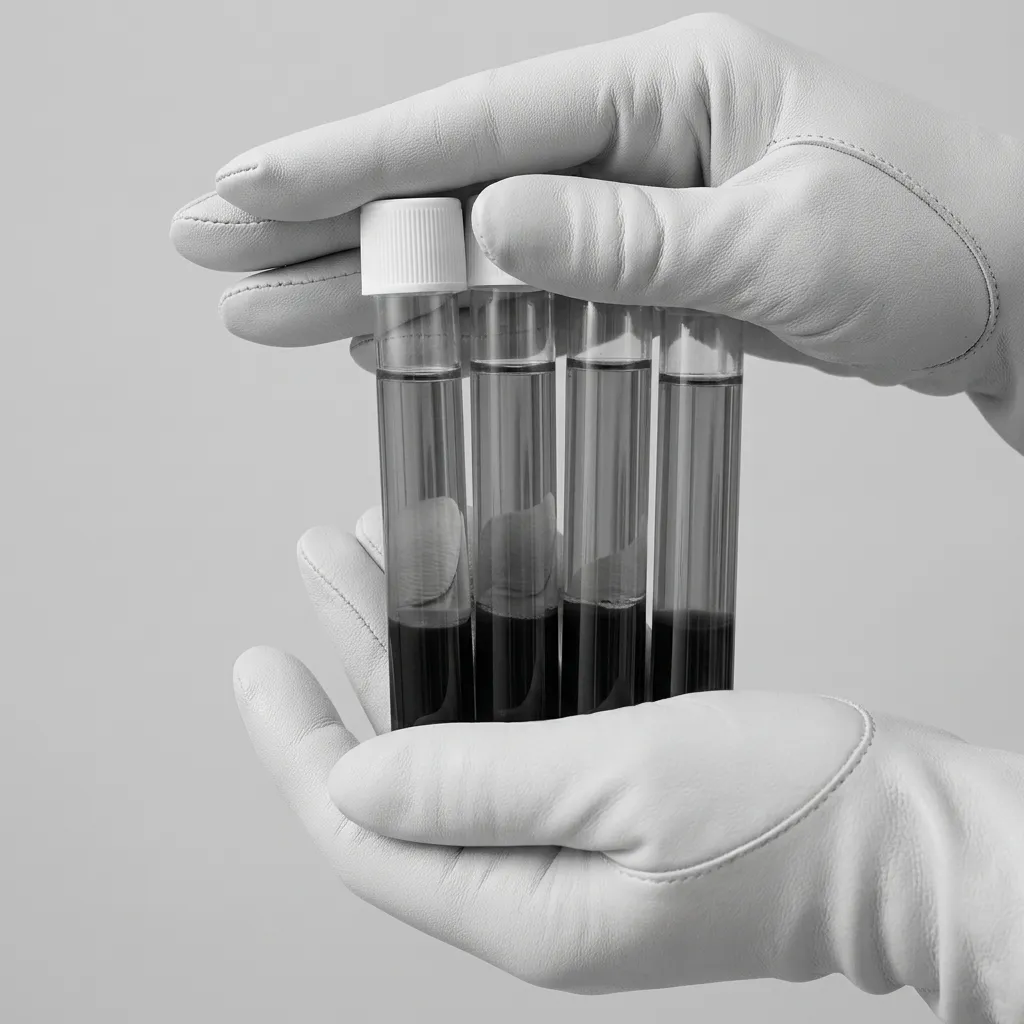
How PRP Works in 3 Simple Steps
- Prepare. A small blood sample is collected and processed to concentrate platelet-rich plasma.
- Treat. PRP is delivered to targeted areas of the scalp. Microneedling may be incorporated when appropriate. For selected patients, your provider may also discuss exosome-based treatment as an emerging regenerative option, including what is known, what remains uncertain, and whether another approach may better fit your goals and clinical picture.
- Support. Your provider considers what should happen between visits, from prescription topicals to lab-guided nutrition or hormonal care when clinically relevant.
The protocol is built around the person, not around a predetermined package.
Are You a Candidate for Hair Loss Treatment in Tampa?
You do not need to wait until thinning feels advanced before asking about it.
Our regenerative hair loss treatment in Tampa is often most relevant while viable follicles remain and the pattern of loss can still be meaningfully evaluated.
Early to Moderate Thinning
You may be a candidate if you are noticing:
- increased shedding;
- a widening part;
- thinning around the crown;
- recession at the temples or hairline; or
- strands becoming progressively finer.
Earlier assessment may provide more treatment options than waiting until significant follicular loss has occurred.
Hormonal Life Shifts
Hair can change noticeably during postpartum recovery, perimenopause, menopause, and other hormonal transitions.
If the history or symptoms indicate something internal, ADARE will often suggest bloodwork prior to ruling in hormone optimization as part of your care.
The important distinction is that hormone therapy is not automatically part of a hair-restoration plan.
It is considered when there is a clinical reason for it.
Non-Surgical Density Preservation
For men and women with early pattern thinning, regenerative care may offer a non-surgical way to support existing follicles and preserve density.
PRP, microneedling, exosome-based treatments, or medical therapies may be considered depending on the diagnosis.
When follicles are no longer viable, ADARE is equally candid that another option—including consultation for hair transplantation—may make more sense.
What Is the ADARE Treatment Experience?
Hair restoration at ADARE is not simply a procedure.
It is a relationship that unfolds over time.
01. Clinical Assessment
Your provider reviews your medical history, medications, family pattern, recent labs, and the progression of your hair loss. Baseline photography helps establish where you are starting, while additional diagnostic testing may be recommended when internal factors deserve a closer look.
The point is to understand the whole picture before deciding what to treat.
02. In-Office Treatment
Your protocol may include PRP preparation, scalp numbing, targeted micro-injections, microneedling, or selected regenerative therapies when appropriate.
A typical PRP session generally takes approximately 30 to 45 minutes. Mild scalp tenderness may occur afterward, but significant downtime is not usually required.
03. Density Tracking
Hair takes months to grow, not days.
The information you provided through photography, shedding patterns, visible density, strand quality, and your response or reaction will aid your provider in identifying what’s working and if the plan needs to change.
While your hair adapts, your care is fine-tuned.
How Fast Will You See Hair Growth Results With PRP Therapy?
Hair restoration requires biological time.
A typical initial ADARE PRP protocol may consist of 3 to 4 sessions spaced approximately 4 to 6 weeks apart, followed by individualized maintenance.
| Timeline | What You May Notice |
|---|---|
| First 6–8 Weeks | Some responders may begin noticing changes in shedding |
| Months 2–4 | Hair continues moving through its natural growth cycles |
| Months 4–6+ | Changes in density or strand thickness may become easier to evaluate |
Results vary according to the cause, severity, duration of thinning, treatment plan, and individual biology.
No regenerative treatment can guarantee a particular amount of regrowth.
At ADARE, progress is followed carefully rather than forced into a universal timeline.
Why Choose ADARE for Hair Restoration?
Hair loss sits at the intersection of aesthetics, health, hormones, genetics, and time.
That is why ADARE does not treat it as a surface concern alone.
Provider-Led Medical Protocol
The treatment can be an open-ended approach based on the clinical evaluation rather than a fixed package.
At its heart, a plan may contain PRP and microneedling but really only add exosomes or micronutrient correction, peptides, topical peptides, and hormonal care if it generally makes sense for the individual.
The strength of the protocol is not how many treatments it includes.
It is how thoughtfully they are chosen.
Inside-Out Restoration Model
ADARE connects regenerative scalp care with a broader understanding of your health.
You may come in concerned about thinning and discover that nutrition, thyroid function, hormones, stress, or another part of your wellness deserves attention too.
That is where hair restoration becomes part of something larger.
Beautiful from the inside out.
Begin Your Hair Loss Treatment in Tampa
If your hair is changing, the first step is not guessing what to buy.
It is understanding why. Start your hair loss treatment in Tampa.
Visit ADARE Longevity & Aesthetics at 3830 W Neptune Street in South Tampa for an individualized hair-restoration consultation.
With your provider, you decide if PRP, microneedling, an exosome-based treatment, or a combination should be included in your plan.
The relationship can begin with your hair.
The care can go much deeper.
Medicine that begins with measurement and ends with how you feel walking out the door.
South Tampa: 813-575-2501
Frequently Asked Questions
- How fast does PRP hair loss treatment in Tampa work?
- Hair restoration develops gradually. Some responders may notice changes in shedding within the first few months, while visible improvements in density or thickness may take 4 to 6 months or longer to evaluate. Individual response varies.
- How many treatment sessions are needed?
- ADARE commonly begins PRP care with a series of 3 to 4 sessions spaced approximately 4 to 6 weeks apart. The appropriate series and maintenance schedule depend on your type of hair loss, treatment response, and broader plan.
- Is scalp PRP therapy painful?
- Scalp numbing can be used to improve comfort. Some temporary pressure, tenderness, or sensitivity may still occur during or after treatment.
- Does ADARE offer microneedling for hair loss?
- Yes. Microneedling can be incorporated into ADARE’s regenerative scalp protocols to create controlled microchannels and stimulate a localized healing response. Your provider determines whether it belongs in your treatment plan.
- Does ADARE offer exosome-based hair restoration?
- Exosomes should be considered as a new potential regenerative treatment option for a limited number of patients. Given that evidence and regulatory status vary from more traditional hair-loss therapies, your provider will discuss the rationale for why the treatment is appropriate, what is currently known, where uncertainty remains, and which alternatives may be a better fit.
- Can hormones cause hair loss?
- Yes. Some types of hair loss are related to hormonal changes. ADARE assesses symptoms, history, and relevant investigations before determining the clinical relevance of hormonal care.
- Does this work on extreme baldness?
- PRP, microneedling, and other regenerative techniques are contingent on the presence of healthy follicles. These treatments do not reliably regenerate follicles when no follicles remain, and some techniques (i.e., hair transplantation) may be more suitable.